Does Your South Carolina Home Insurance Cover Flood Damage?
Introduction
Every year, as storm season approaches, thousands of South Carolina homeowners make the same dangerous assumption: that their home insurance policy will cover them if floodwaters damage their property. It's an understandable assumption — after all, water damage is water damage, right?
Wrong. And this misunderstanding has cost SC homeowners tens of thousands of dollars — sometimes everything — when a storm rolls through and the flood claims start coming in.
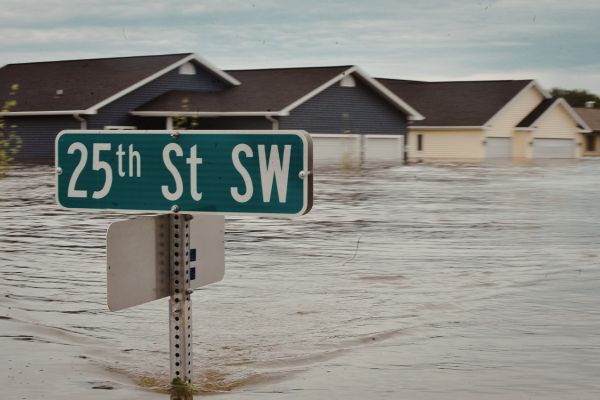
Here is the reality that every South Carolina homeowner needs to understand before the next major storm: standard homeowners insurance does not cover flood damage. Not from heavy rain. Not from storm surge. Not from an overflowing river or creek. Not from rising groundwater. If water enters your home from the outside and causes damage, your standard policy almost certainly will not pay for it.
South Carolina is one of the most flood-vulnerable states in the country. From the coastal communities along the Grand Strand to the Midlands — including right here in the Sumter area — flooding events have become more frequent, more severe, and more costly in recent years. The gap between what homeowners think their insurance covers and what it actually covers is not just a financial risk. For many families, it can be a life-altering one.
At Session & Coker Insurance Services LLC, we believe that an informed homeowner is a protected homeowner. This guide breaks down exactly what your home insurance does and doesn't cover when it comes to water and flood damage — and what you can do right now to make sure your family isn't caught off guard.
What Standard Homeowners Insurance Actually Covers
To understand the flood coverage gap, it helps to first understand what a standard homeowners insurance policy is actually designed to do when it comes to water.
A standard homeowners policy typically covers water damage that is sudden, accidental, and internal in origin. This generally includes situations such as:
A pipe bursting inside your home and causing water damage to walls, floors, and belongings
A washing machine hose that fails and floods the laundry room
An ice dam forming on the roof and causing water to back up into the attic
A roof that is damaged by a covered peril — such as wind — and allows rain to enter through the opening
What these scenarios have in common is that the water originates from within the home or enters as a direct result of a specific, covered event. The damage is localized, and the source is internal.
What a standard homeowners policy does not cover is flooding — water that originates from an external source and enters the home from the ground up, from storm surge, or as a result of overwhelming rainfall. This distinction between internal water damage and external flooding is one of the most important — and most misunderstood — concepts in all of personal insurance.
What Standard Homeowners Insurance Does NOT Cover
Let's be specific, because this is where most South Carolina homeowners get into trouble. Your standard homeowners insurance policy almost certainly excludes the following:
Rising floodwaters from any external source. This includes overflow from rivers, creeks, lakes, ponds, and drainage systems. When the Wateree River rises and water enters a Sumter-area home, a standard homeowners policy will not cover the resulting damage.
Storm surge. For SC coastal and near-coastal homeowners, storm surge — the wall of ocean water pushed inland by a hurricane or tropical storm — is one of the most destructive forces imaginable. It is also completely excluded from standard homeowners coverage.
Sheet flooding from heavy rainfall. When rainfall is so intense that the ground cannot absorb it and water flows overland into your home, that is classified as a flood event — not a rain event — and is excluded from standard coverage.
Flooding from overflowing storm drains or sewer backup due to flooding. Urban flooding, which occurs when stormwater systems are overwhelmed, is a growing problem in many SC communities. Standard policies typically exclude this as well, though sewer backup coverage can sometimes be added as a separate endorsement.
Mudflow and mudslide caused by flooding. If floodwaters saturate the ground and cause soil movement that damages your home, that is also typically excluded.
For many South Carolina homeowners, reading this list is the first time they've fully understood how significant the gap in their coverage actually is.
Why South Carolina Homeowners Face Elevated Flood Risk
Flood risk in South Carolina is not limited to the coast — and it is not limited to homeowners in designated high-risk flood zones. This is one of the most important points we emphasize to our clients.
South Carolina's geography, climate, and aging infrastructure all contribute to widespread flood vulnerability across the state:
The Midlands flood risk is real and growing. The Sumter area and surrounding Midlands region have experienced significant flood events in recent years. Heavy rainfall can overwhelm the Wateree, Congaree, and other river systems, causing flooding that extends well inland and affects communities that are not traditionally thought of as flood-prone.
South Carolina receives significant annual rainfall. The state averages 44–50 inches of rainfall per year — well above the national average. That volume of precipitation, particularly when concentrated in short periods during storm events, creates repeated flood risk across all regions of the state.
A significant percentage of flood claims come from low- to moderate-risk zones. According to historical Federal Emergency Management Agency (FEMA) data, a substantial portion of National Flood Insurance Program claims are filed by policyholders outside of designated high-risk Special Flood Hazard Areas. Being outside a high-risk zone does not mean you are outside flood risk.
Hurricanes and tropical storms regularly impact SC. South Carolina sits squarely in the path of Atlantic hurricane season. Even storms that make landfall far from Sumter can bring days of heavy rainfall and significant flooding to Midlands communities.
Infrastructure challenges increase risk. Aging stormwater systems, increased development that reduces natural ground absorption, and changes in land use all contribute to greater flooding frequency and severity across South Carolina communities.
Understanding Your Flood Insurance Options
If standard homeowners insurance doesn't cover floods, what does? South Carolina homeowners generally have two primary options for obtaining flood coverage.
Option 1: The National Flood Insurance Program (NFIP)
The National Flood Insurance Program is a federal program administered by FEMA that provides flood insurance to homeowners, renters, and businesses in participating communities. Most South Carolina communities participate in the NFIP, which means residents are eligible to purchase coverage regardless of whether they are in a high-risk flood zone.
Key things to know about NFIP coverage:
NFIP policies cover up to $250,000 for the structure of your home and up to $100,000 for the contents of your home. These are the maximum limits — you cannot purchase more coverage through the NFIP alone, even if your home is worth significantly more.
NFIP policies are subject to a standard waiting period of 30 days before coverage takes effect. This means you cannot wait until a storm is approaching and purchase flood insurance the day before — the coverage will not be in place in time. This is one of the most important reasons to secure flood coverage well in advance of storm season.
NFIP premiums are based on your home's flood zone, elevation, age, and construction type. Rates have been updating under a newer FEMA rating methodology, and premiums can vary significantly from one property to another — making it important to get a specific quote for your home.
Option 2: Private Flood Insurance
In recent years, private flood insurance has become an increasingly attractive option for many South Carolina homeowners. Private flood policies are offered by commercial insurance carriers and often provide advantages over the NFIP in certain situations:
Private policies can offer higher coverage limits — critical for homeowners whose property value exceeds the NFIP's $250,000 structural cap.
Private flood insurance may include additional living expense coverage, which pays for temporary housing if your home is uninhabitable due to flood damage. The NFIP does not include this benefit.
Private policies can sometimes be issued with shorter waiting periods than the standard 30-day NFIP requirement, though this varies by carrier.
In some cases, private flood insurance premiums are competitive with or lower than NFIP rates — particularly for properties with favorable risk profiles.
At Session & Coker Insurance Services LLC, we work with both NFIP and private flood insurance options, which means we can compare what's available for your specific property and help you find the solution that provides the best protection at the most competitive price.
The Cost of Not Having Flood Insurance
To understand why flood insurance matters so much, it helps to look at what flood damage actually costs — and what happens to homeowners who face it without coverage.
The average flood claim in the United States runs into the tens of thousands of dollars. A significant flood event — one involving several inches of water inside a home — can cause damage to flooring, drywall, insulation, electrical systems, HVAC equipment, appliances, furniture, and personal belongings that easily reaches $50,000, $100,000, or more.
Without flood insurance, those costs are paid entirely out of pocket. Federal disaster assistance — which some homeowners assume will cover them in a declared disaster — is limited. FEMA's individual assistance program provides grants that are typically far below the actual cost of flood recovery. And those grants are only available in federally declared disaster areas — not every flood qualifies.
The financial consequences of a major flood without insurance can include depleted savings, inability to repair the home, inability to sell a damaged property, and in the worst cases, loss of the home entirely.
For most South Carolina families, their home is their single largest financial asset. Leaving that asset unprotected from one of the most common natural disasters in the state is a risk that simply isn't worth taking.
Steps to Take Before Storm Season Hits
The best time to address your flood insurance situation is right now — before storm season is upon us and before a forecast forces you to make rushed decisions with a 30-day waiting period standing between you and coverage.
Here is what we recommend for every South Carolina homeowner:
Review your current homeowners policy. Pull out your policy and look specifically for flood exclusions. In virtually every standard homeowners policy, flooding is excluded. Confirming this in writing removes any ambiguity about where you stand.
Determine your property's flood zone. FEMA's Flood Map Service Center allows you to look up your property's official flood zone designation. This will give you a baseline understanding of your assessed risk level and will inform the cost of coverage. Keep in mind that flood maps are not perfectly current and that actual risk may differ from the official designation.
Get a flood insurance quote. Whether through the NFIP or a private carrier, find out what coverage would cost for your specific property. Many homeowners are surprised to find that flood insurance is more affordable than they expected — particularly for properties in low- to moderate-risk zones.
Consider your contents. Even if you have structural flood coverage, make sure you have adequate coverage for the contents of your home. Personal belongings — furniture, electronics, clothing, appliances — can represent a significant portion of total flood losses.
Don't wait. The 30-day waiting period on NFIP policies is not a technicality. It is a hard requirement. If a named storm is already in the forecast when you call us, it may be too late to get coverage in place for that event. Act now, while the decision can be made calmly and without urgency.
Frequently Asked Questions
Q: Does my homeowners insurance cover any type of water damage?
A: Yes — but only specific types. Standard homeowners insurance covers sudden and accidental internal water damage, such as a burst pipe or a failing appliance. It does not cover flooding from external sources, including storm surge, rising rivers, overland flow from heavy rain, or overflowing storm drains. The distinction between internal water damage and external flooding is critical.
Q: I'm not in a high-risk flood zone. Do I still need flood insurance?
A: Yes, and this is one of the most important points we make to our clients. A significant percentage of flood insurance claims come from properties located outside of designated high-risk flood zones. Lower-risk zones can still experience flooding — and because many homeowners in those zones assume they're safe, they often have no coverage when it happens. Flood risk exists on a spectrum, not a binary.
Q: My mortgage lender doesn't require flood insurance. Does that mean I don't need it?
A: Not necessarily. Lenders are required to mandate flood insurance only for properties in designated Special Flood Hazard Areas with federally backed mortgages. If your property is in a lower-risk zone, your lender may not require it — but that says nothing about your actual risk or the wisdom of carrying coverage. Lender requirements are a floor, not a recommendation.
Q: How much does flood insurance cost in South Carolina?
A: Premiums vary based on your flood zone, your home's elevation, the age and construction of your home, and the coverage limits you select. Homeowners in lower-risk zones may find NFIP policies quite affordable. The best way to know your specific cost is to get a quote — which our team at Session & Coker Insurance Services LLC can provide at no cost or obligation.
Q: How long does it take for flood insurance to go into effect?
A: NFIP policies are subject to a standard 30-day waiting period from the date of purchase before coverage takes effect. Some exceptions exist — for example, when flood insurance is purchased in conjunction with a new mortgage. Private flood insurance policies may have shorter waiting periods, depending on the carrier. This is why it is critical not to wait until storm season is already underway to purchase coverage.
Q: What does flood insurance actually cover?
A: NFIP policies cover the structure of your home up to $250,000 and contents up to $100,000. Private flood insurance policies can offer higher limits and may include additional living expenses if your home is uninhabitable. Both types of coverage can include the structure itself — foundation, walls, flooring, electrical and plumbing systems, HVAC — as well as personal belongings, depending on the policy.
The Time to Act Is Before the Storm
Flood damage doesn't announce itself in advance. Storms don't respect flood zone boundaries or homeowners who meant to get around to purchasing coverage. And a 30-day waiting period doesn't move for anyone.
The families who come through flood events with their finances intact are not the ones who were lucky enough to avoid damage. They're the ones who had the right coverage in place before the water ever rose.
At Session & Coker Insurance Services LLC, we help South Carolina homeowners understand exactly what their current policies cover — and close the gaps before they become costly. We work with both NFIP and private flood insurance carriers, which means we can find the right solution for your specific property, your risk level, and your budget.
Don't wait until storm season is knocking at your door. Take 15 minutes today to find out where you stand — and what it would cost to make sure your family and your home are truly protected.
Get your free, no-obligation flood insurance review and quote today.
📞 Call us or visit us at www.ernestsession.com
Proudly serving homeowners in Sumter, SC and surrounding communities — because protecting your home means protecting everything inside it.
Session & Coker Insurance Services LLC · Licensed Independent Insurance Agency · Sumter, South Carolina · www.ernestsession.com
